Meet the speakers of the International Polar Conference ”Governance in the Cold: Science and Geopolitics in Arctic and Antarctic Decision-Making“
The conference brings together experts from the fields of polar research, international relations, diplomacy, and policymaking to discuss the role of science in shaping governance and decision-making in the Arctic and Antarctic.
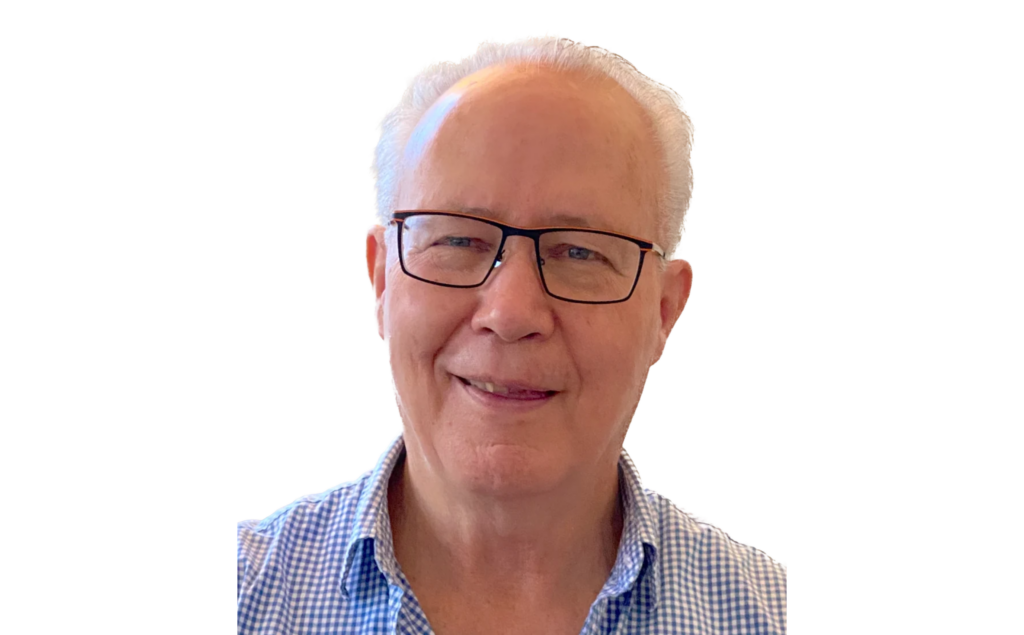
Dr. James (Jim) Barnes is an American lawyer and environmental activist whose life’s work has been dedicated to advancing the protection of Antarctica and the Southern Ocean. Jim Barnes is the founder of the Antarctic and Southern Ocean Coalition (ASOC)—a coalition of environmental organizations—and, together with this organization, has received, among other honors, the 2025 Gulbenkian Prize for Humanity for his contributions to the protection of Antarctica, as well as the IUCN Packard Award from the World Commission on Protected Areas.
Jim Barnes was a pioneer in environmental law, with a deep, personal commitment to Antarctica. As early as the 1970s, representing an environmental group, he joined the U.S. delegation during negotiations for the Convention on the Conservation of Antarctic Marine Living Resources. A few years later, he founded the Antarctic and Southern Ocean Coalition (ASOC), which focused on protecting Antarctica from mineral resource extraction and overfishing. In the 1980s, Jim Barnes led a multifaceted campaign by ASOC aimed at designating Antarctica as a "World Park"—essentially a nature reserve. In the early 1980s, the Antarctic Treaty system functioned as a closed club for a handful of nations, excluding the global public from its decision-making processes.
In collaboration with numerous environmental organizations under the ASOC umbrella—including Greenpeace and Friends of the Earth—various initiatives were launched.
These ranged from street demonstrations (dubbed "penguin marches") and information campaigns to cooperation with the UN and non-aligned nations
Furthermore, the first non-governmental research station was established, and marine scientific expeditions were organized to provide data on environmental pollution—research independent of the Antarctic Treaty parties. As a result, the Antarctic Treaty System underwent a fundamental transformation: new members joined in succession, and in 1991, the Protocol on Environmental Protection was signed. This protocol dedicated the Antarctic continent to science and environmental protection, while banning all activities related to mineral resources. That same year, environmental organizations were, for the first time, granted the right to participate in Antarctic Treaty Consultative Meetings with their own official delegations. Throughout this process, James Barnes worked like a spider at the center of a web, persuading everyone—from the humble to the powerful—to support the cause.
Claire Bucley is an Irish diplomat, currently serving as Ambassador of Ireland to Norway and to Iceland. She leads also on Arctic issues within the Nordic-Baltic network of Irish Missions. With over 20 years of experience in international affairs, she has held range of leadership positions within the Irish Department of Foreign Affairs.
Prior to her assignment as Ambassador to Norway and Iceland, Claire served as the Irish Ambassador to Sierra Leone and Liberia, resident in Sierra Leone. She has served in a variety of operational and policy roles at headquarters and has served also at the Irish Embassy in Greece and the Permanent Mission of Ireland to the UN in New York.
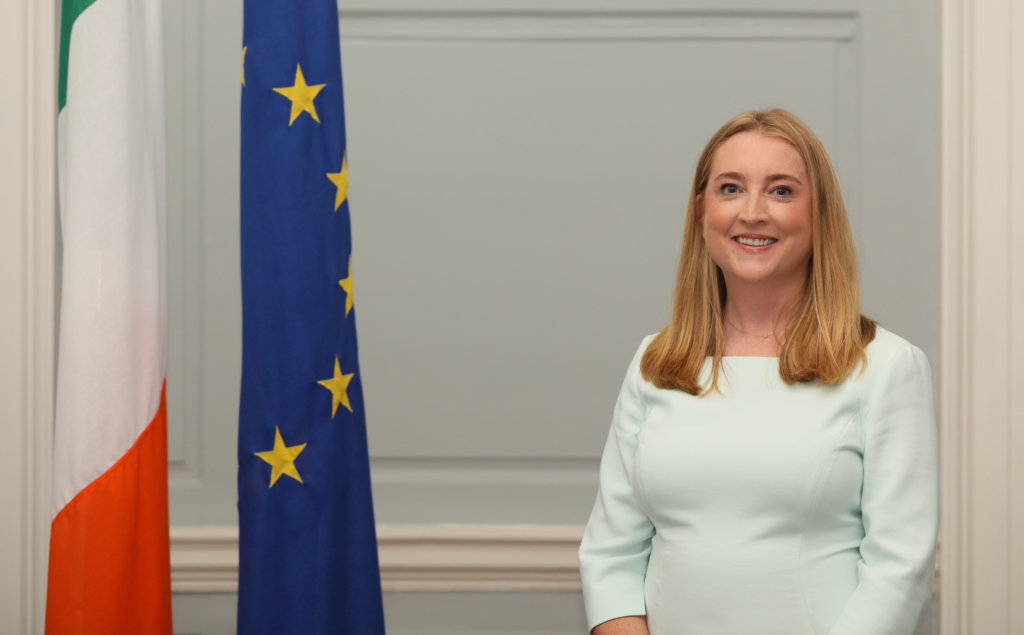
Urmas Hõbepappel is an analyst at the University of Tartu Asia Centre and a Non-Resident Research Fellow at the International Centre for Defence and Security (ICDS). His research focuses on Chinese politics and society, nationalism, and geopolitical developments.
His expertise provides an important perspective on China’s growing international role and its interests in the Arctic region.
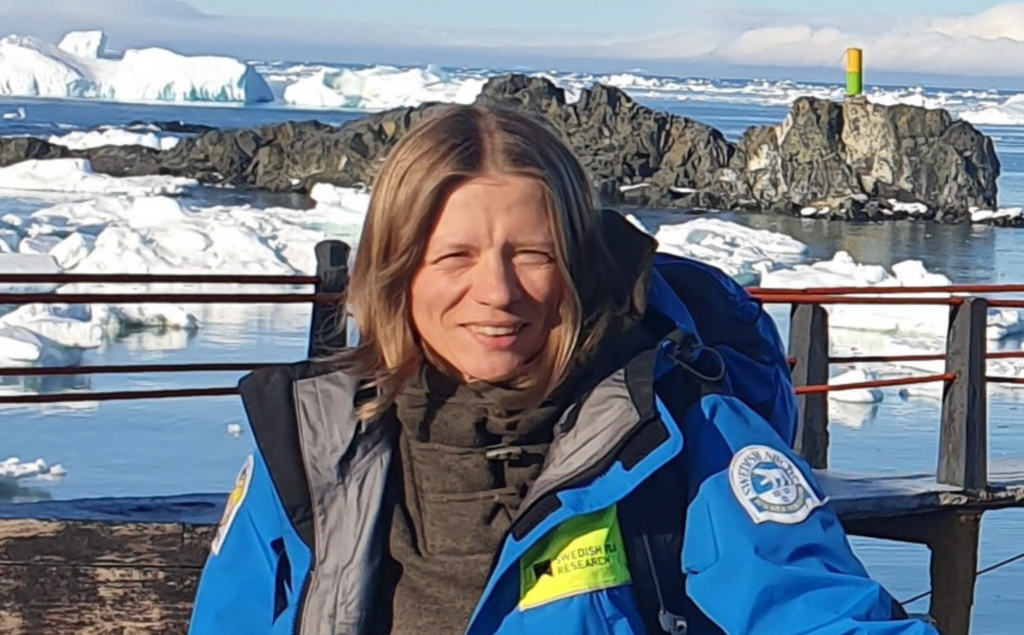
Associate Professor Kati Lindström researches global environmental history, polar governance and heritage at the University of Tartu (Estonia) and KTH Royal Institute of Technology (Sweden). She participates in international networks connecting science, heritage and environmental governance. She serves as the Vice Chair of the Polar Research Committee of the Estonian Academy of Sciences, as well as the Vice President and Antarctic Treaty Liaison Officer of the ICOMOS International Polar Heritage Committee. She is also the national contact point for the Republic of Estonia to the Antarctic Treaty and a member of the SCAR Standing Committee on the Humanities and Social Sciences.
Jolanda Lipu’s professional interests encompass environmental protection, law, and international cooperation. She holds a background in law and a master’s degree in environmental protection and policy. With nearly a decade of experience advising companies and public sector organizations on environmental and sustainability issues, she currently works as a Senior Consultant at Miltton New Nordics.
Her interest in Antarctica dates back to her earlier environmental studies, when she focused on the eutrophication of Antarctic lakes for her master’s thesis. She has since returned to Antarctic topics through her studies in polar law at the University of Akureyri in Iceland. In her current master’s thesis, she examines the role of education and outreach within the Antarctic Treaty System, as well as its connections to Antarctic governance and science diplomacy.
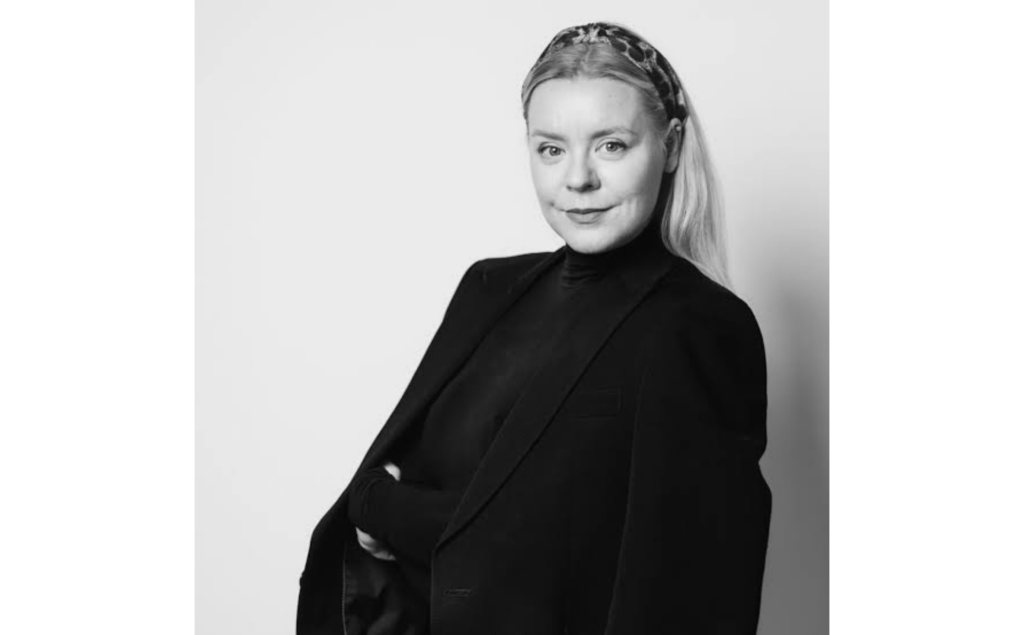
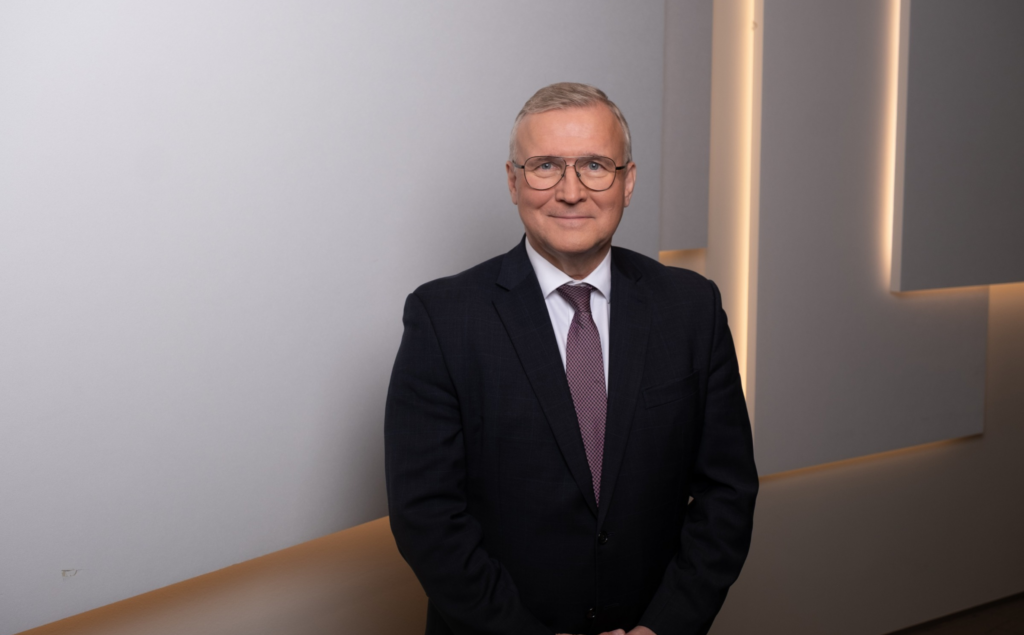
Toomas Lukk is Estonia’s Special Envoy for Arctic Affairs and a seasoned Estonian diplomat with extensive experience in foreign policy and international relations. Having served as Estonia’s ambassador in several countries, including Canada, China and Sweden, he brings a broad diplomatic perspective to discussions on the Arctic and Estonia’s engagement in polar affairs.
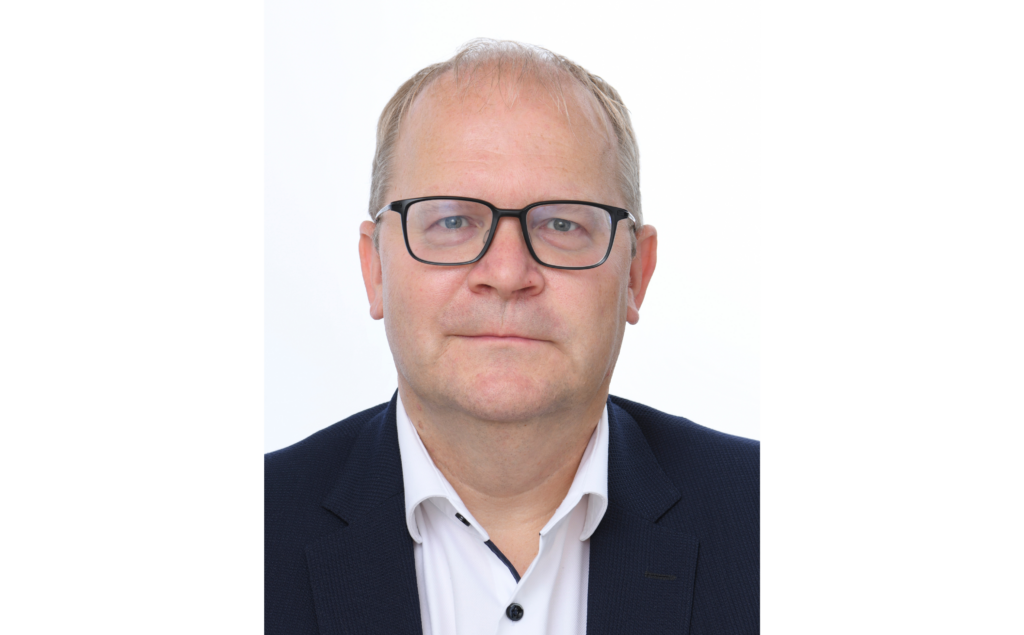
Urmas Paet is a Member of the European Parliament representing Estonia. In 2025, he served as the European Parliament’s rapporteur on the EU’s diplomatic strategy and geopolitical cooperation in the Arctic. His work has focused on strengthening the EU’s role in the region, addressing growing geopolitical and security challenges, and upholding international law and cooperation in the Arctic.
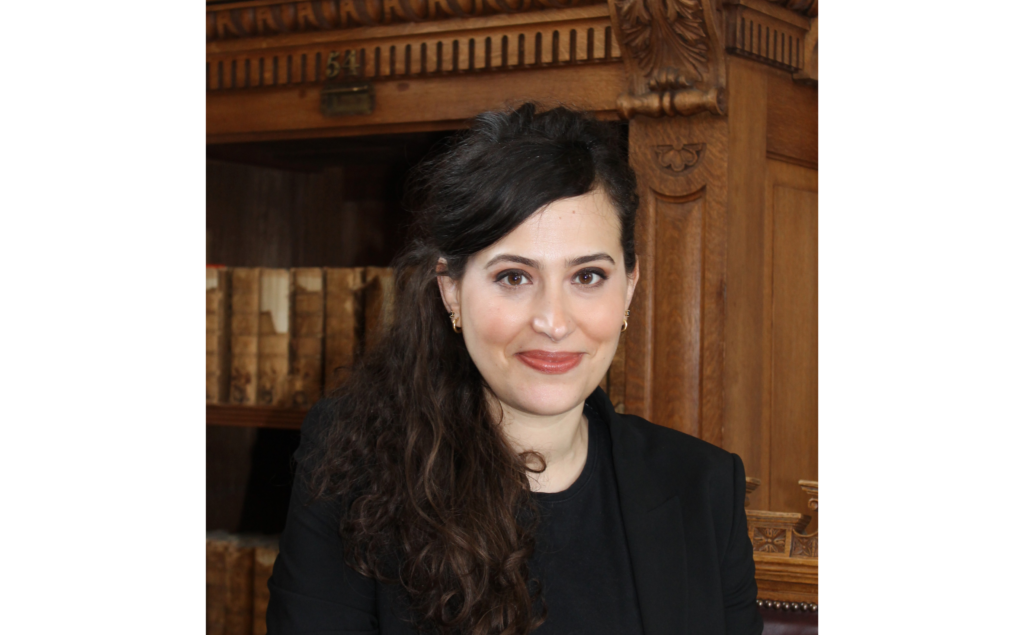
Dr. Daniela Portella Sampaio is a Senior Research Fellow in Latin American Security at the Royal United Services Institute, and a Research Associate (Affiliated), NUPRI, University of São Paulo.
Dr. Sampaio is also an Advisor to the Antarctic Treaty Secretariat (Institutional and Legal Working Group).
She has contribued to the Antarctic research with awarded articlicles and chapters. She is currently working on two publications on human and enviornmnetal liability in Antractica as well as on institutional limits and ecological governance in the Antractic treaty regime.
Piotr Rychlik is Poland’s Ambassador for Arctic and Antarctic Affairs at the Ministry of Foreign Affairs of Poland. He represents Poland in Arctic affairs and is actively engaged in strengthening dialogue and cooperation among Arctic Council Observer States, including through the Warsaw Format initiative.
His work reflects Poland’s longstanding engagement in Arctic research, diplomacy and international cooperation, as well as the region’s growing geopolitical significance.
Claude Véron-Réville is since September 2024 the EU Special Envoy for Arctic Affairs. She heads at the same time the European External Action Service’s division for Western Europe, Arctic and Regional matters.
Prior to that, she occupied different managerial positions in the EEAS Human Resources Department, and worked several years on the Eastern Europe and Russia files.
Between November 2011 and August 2013 she was posted as a Transatlantic Diplomatic Fellow in the US State Department.
Claude holds a Master's Degree from the College of Europe and graduated from the Paris Institute of Political Sciences. Her mother tongue is French and she speaks English and Russian.
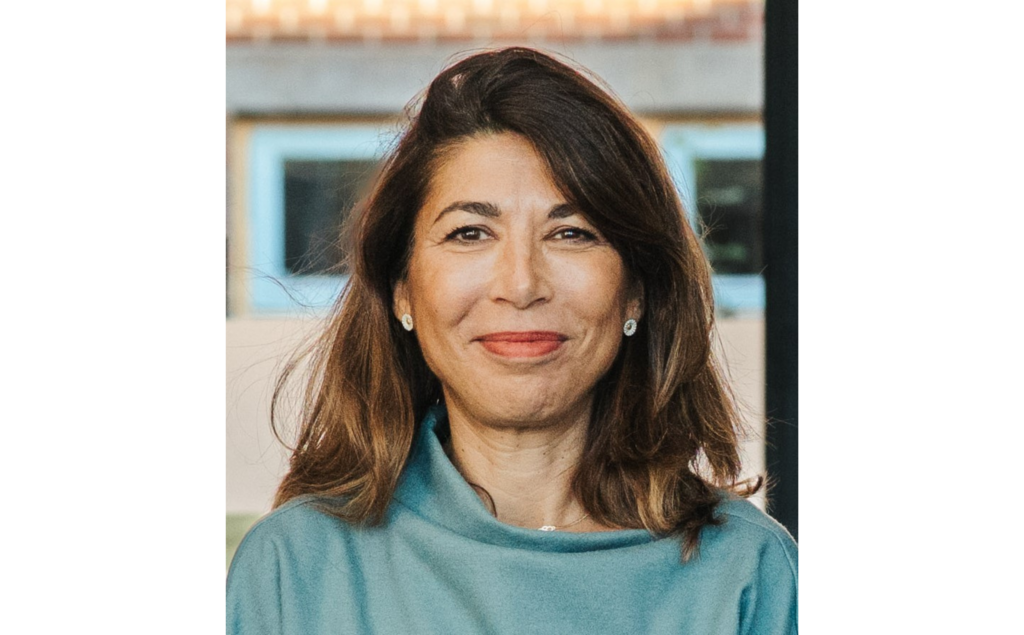
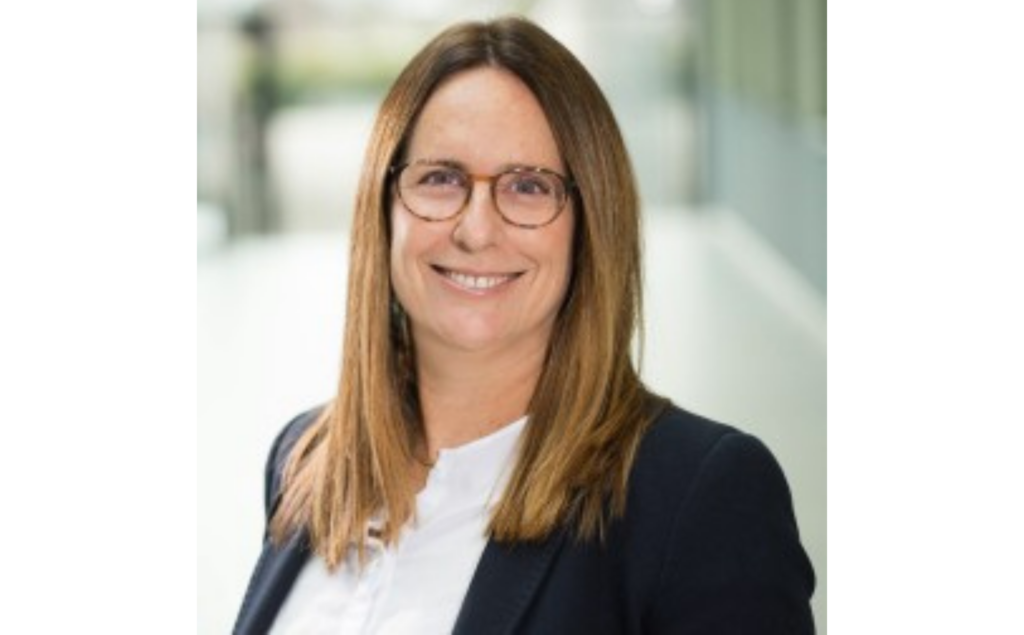
Dr. Verónica Willmott Puig is Interim Head of the International Cooperation Unit at the Alfred Wegener Institute (AWI) and Coordinator of the EU-funded POLARIN project.
She has worked at AWI since 2010, with a strong focus on European and international cooperation in polar and marine research. Her work includes the development and coordination of international research networks, European research infrastructure initiatives, and transnational access to research infrastructures.
Through projects such as POLARIN, ARICE and Eurofleets, she has extensive experience in fostering collaboration between research institutions, infrastructure operators and international partners.